Sports venue developers and construction owners are facing increasingly complex decisions around playing surface selection as athlete safety concerns, league regulations and evolving event strategies reshape stadium design priorities.
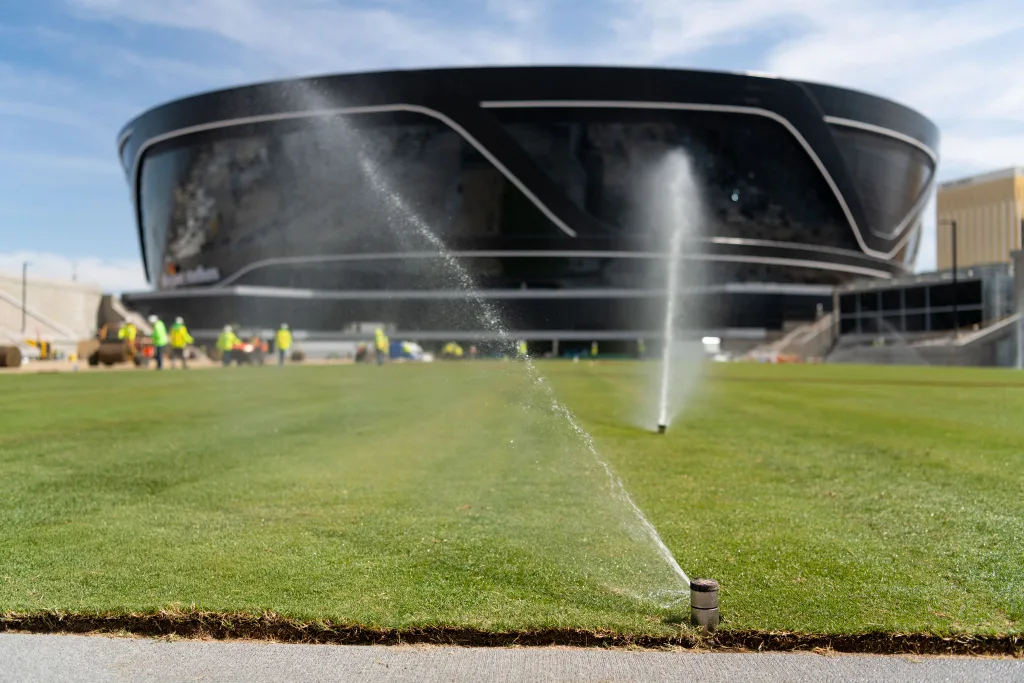
A new industry analysis from Mortenson outlines how the long-running debate between artificial turf and natural grass is becoming a major strategic consideration for sports facility owners, particularly as venues seek to maximize long-term flexibility and revenue potential.
The discussion extends far beyond field maintenance costs. Developers are now weighing factors that include player injury data, event eligibility, climate impacts, operational demands and future regulatory risks when determining whether to install synthetic turf, natural grass or hybrid surface systems.
According to the report, player preference is becoming a growing influence in facility planning. Surveys conducted by the NFL Players Association have shown strong support among professional athletes for natural grass surfaces, largely due to concerns about non-contact injuries and long-term joint stress associated with synthetic systems.
At the same time, regulatory pressure is increasing across global sports organizations. FIFA has mandated natural grass surfaces for all matches during the 2026 World Cup, requiring several stadiums with synthetic fields to install temporary grass systems to comply with tournament standards.
The trend is prompting owners to consider how playing surface decisions may affect their ability to attract future high-profile sporting events, international competitions and multi-use programming opportunities.
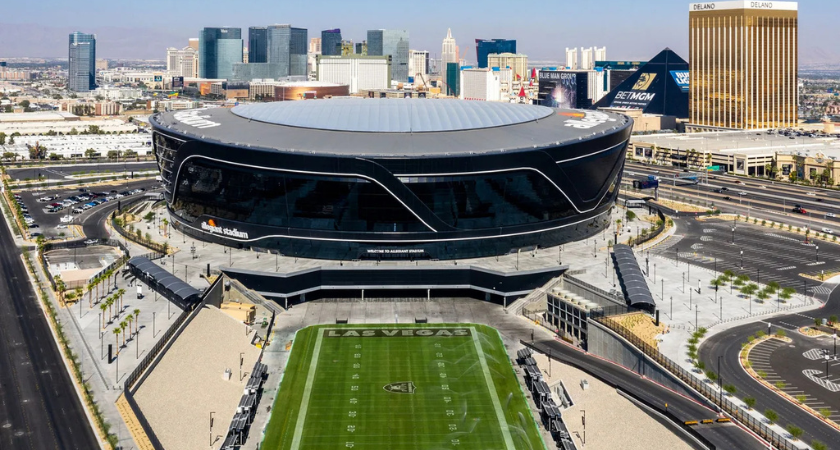
Roof design has also emerged as a central factor in surface selection. Enclosed and partially enclosed venues often create challenges for maintaining healthy natural grass due to limited sunlight exposure. Some stadiums have responded with advanced engineering solutions, including movable field trays and integrated grow-light systems designed to support natural turf within climate-controlled environments.
Meanwhile, hybrid systems are gaining momentum as a middle-ground solution. These surfaces combine natural grass with synthetic reinforcement fibers to improve durability while maintaining the playing characteristics and regulatory advantages of natural turf.
Mortenson’s analysis points to Allianz Field in Minnesota as one example of a venue adopting hybrid technology to improve field resilience in colder climates while preserving eligibility for international soccer competitions.
The report also notes that while synthetic turf has traditionally been viewed as the lower-maintenance option, lifecycle cost comparisons are becoming more nuanced. Artificial systems require periodic replacement and ongoing specialized maintenance, while natural grass carries higher annual operating demands tied to irrigation, mowing, fertilization and field restoration.
As venue operators increasingly pursue year-round event calendars that include concerts, festivals and non-sports programming, surface durability and recovery timelines are becoming major operational considerations.
For construction owners and sports facility developers, the playing surface decision is evolving into a long-term asset management strategy rather than a simple material selection.
Owners planning new stadiums or major renovations may need to evaluate how field systems affect event eligibility, athlete recruitment, maintenance costs and operational flexibility over the full lifecycle of a venue. Surface choices can directly influence revenue generation, particularly for facilities targeting international competitions or multi-purpose entertainment programming.
The growing adoption of hybrid systems also signals expanding opportunities for specialized contractors, turf engineers and stadium infrastructure firms capable of integrating advanced field technologies with complex structural and environmental systems.
As leagues, athletes and governing bodies continue pushing for higher safety and performance standards, playing surface specifications are likely to become an increasingly important factor in sports construction planning and procurement.
Originally reported by Mortenson.