Commercial property owners in Rochester are facing increasing roofing challenges following a winter marked by heavy snowfall, freeze-thaw cycles and early-season storms, according to Empire State Commercial Roofing.
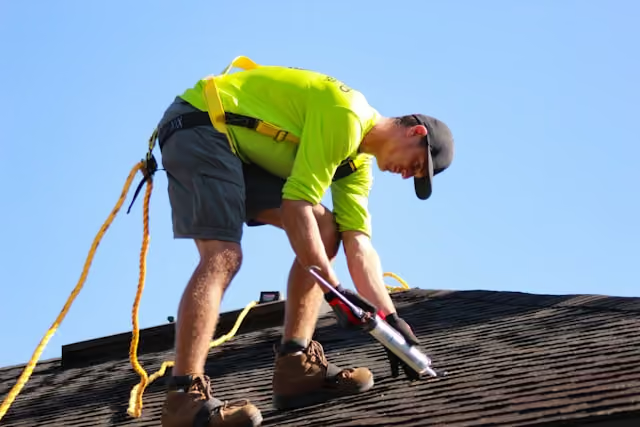
The contractor reported a rise in hidden roof damage across Central New York, particularly affecting flat and low-slope commercial roofing systems that are more vulnerable to prolonged exposure to severe weather conditions.
“Many roofing issues begin long before property owners notice any visible signs,” said Little Man. “What appears minor after a storm can develop into a much larger problem if it is not addressed early.”
Flat roofs are especially susceptible to storm-related damage due to their design. Snow accumulation, combined with blocked drainage systems, can lead to standing water that places sustained pressure on roofing materials.
As temperatures fluctuate, freeze-thaw cycles allow water to seep into small openings. When the water freezes and expands, it can worsen structural weaknesses and lead to moisture infiltration beneath the roof surface and into building interiors.
Lake-effect snow, high winds and hailstorms common in the region have further intensified stress on commercial roofing systems, increasing the likelihood of long-term damage that may not be immediately visible.
Different roofing materials respond in varying ways to these conditions. EPDM membranes may experience edge lifting or insulation damage after hail events, while TPO systems can develop seam weaknesses due to repeated temperature shifts. Modified bitumen roofs often show cracking or surface wear after prolonged exposure to harsh weather.
Spray polyurethane foam roofing systems provide a seamless barrier against water intrusion, but their protective coatings must remain intact to prevent moisture absorption during storms.
Contractors warn that many storm-related issues cannot be identified through basic visual inspections and require professional evaluation to detect underlying damage.
Common warning signs include lifted membrane edges, displaced flashing and debris impact on rooftop equipment. Inside buildings, leaks, ceiling discoloration and persistent standing water may indicate deeper structural concerns.
.avif)
The repair process typically begins with a comprehensive inspection that evaluates seams, drainage components and insulation performance. Proper documentation is also essential for insurance claims tied to storm damage.
Routine maintenance and seasonal inspections remain key strategies for reducing long-term costs and preventing extensive repairs. Post-storm evaluations can help property owners identify vulnerabilities before they escalate into larger issues.
Empire State Commercial Roofing said it works with building owners to provide inspection reports, repair recommendations and support for insurance documentation, helping them manage storm-related risks more effectively.
The company encouraged commercial property owners across Central New York to schedule professional inspections following severe weather events to identify hidden damage early and maintain building integrity.
Originally reported by WBOC.