WASHINGTON — Construction of a controversial new ballroom at the White House will continue for now after a federal appeals court ruled to allow work on the project to proceed temporarily, according to a report from Reuters.

The ruling, issued April 11 by a U.S. Court of Appeals, permits construction to continue until at least April 17 while legal questions surrounding the project are clarified. The decision extends a pause on a lower court injunction that had sought to halt the project.
The ballroom, a proposed $400 million development backed by Donald Trump, would replace the historic East Wing with a 90,000-square-foot facility. The project has drawn both support and opposition, particularly from preservation advocates.
The dispute centers on whether the demolition of the East Wing—originally constructed in 1902 during the presidency of Theodore Roosevelt—was carried out without proper congressional authorization.
The National Trust for Historic Preservation filed a lawsuit in December, arguing that the administration exceeded its authority by moving forward with the demolition and replacement project.
A lower court issued an injunction on March 31 to halt construction but allowed that order to be temporarily paused to enable an appeal. The appeals court has now extended that pause, requesting further clarification from the district court regarding its original ruling.
“The injunction left the White House ‘open and exposed’ and was threatening security for the building, the president and his family and staff,” the administration argued in court filings.
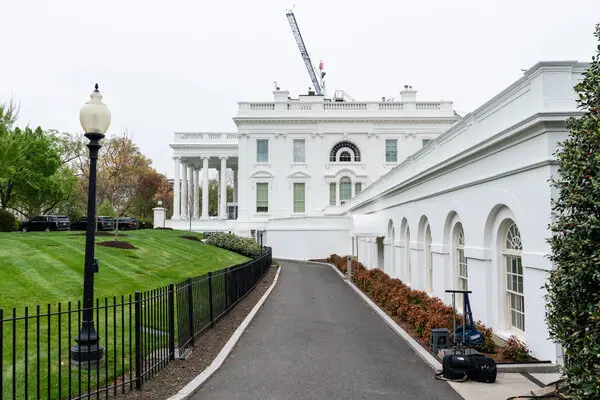
If completed, the ballroom would represent one of the most significant structural changes to the White House complex in decades. The project has been described by Trump as a defining feature of his presidency.
Supporters argue the addition would modernize the facility and provide expanded space for official events and state functions. Critics, however, contend that replacing a historically significant structure sets a troubling precedent and raises questions about executive authority over federally protected landmarks.
The legal outcome could have broader implications for federal construction projects involving historic properties, particularly those requiring coordination between executive authority and congressional oversight.
For now, construction crews will continue work as the courts weigh the merits of the case. A final decision could determine not only the future of the ballroom project but also the limits of presidential authority in altering historically significant government sites.
Originally reported by Reuters.