A major milestone has been reached for next-generation nuclear energy development in the U.S., as Marsh Risk confirmed it has secured a comprehensive insurance program for TerraPower’s Kemmerer Unit 1 project in Wyoming.
.webp)
The project is widely regarded as the first commercial-scale advanced nuclear power plant approved for construction by the Nuclear Regulatory Commission, positioning it at the forefront of America’s evolving energy infrastructure strategy.
According to Marsh, the insurance placement draws support from insurers across the U.S., London and Bermuda, along with nuclear insurance pools and risk-retention vehicles. Notably, the deal represents a breakthrough moment for the sector, marking the first time a next-generation nuclear plant in the U.S. has accessed the commercial insurance market directly.
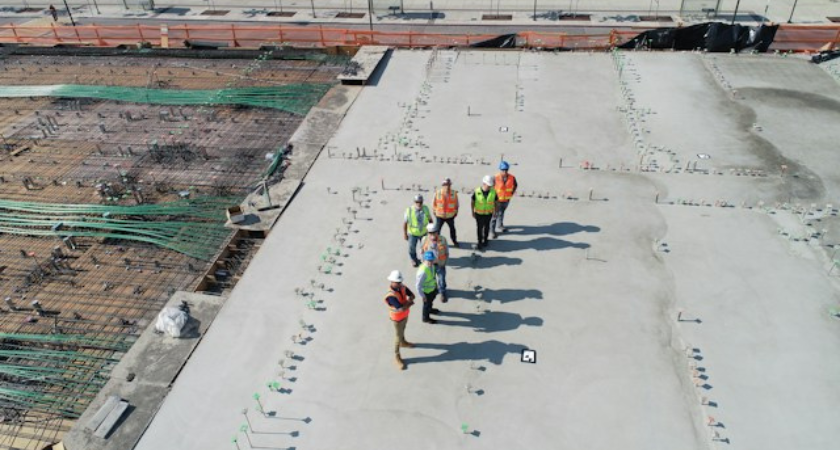
The insurance program will provide coverage for TerraPower and its project partners throughout the construction phase, which is expected to begin soon.
The Kemmerer Unit 1 facility will deploy TerraPower’s Natrium technology, a next-generation system that combines a sodium-cooled fast reactor with integrated energy storage.
This innovative design enables the plant to maintain steady baseline power output while also boosting generation during periods of peak demand. The system is built around a 345 MWe reactor and a molten salt-based storage solution, offering flexibility that traditional nuclear plants lack.
The project is being developed through a public-private partnership with the U.S. Department of Energy, reflecting growing federal support for advanced nuclear technologies as part of long-term decarbonization and grid reliability goals.
Once completed, the facility is expected to become the first utility-scale advanced nuclear power plant operating in the United States.
Marsh emphasized that the structure of the insurance placement signals growing confidence among global insurers in advanced nuclear technologies.
By bringing together traditional nuclear risk pools and commercial insurers, the program establishes a new framework that could make it easier to finance and insure future nuclear developments. This is particularly significant given the historically complex and highly specialized insurance requirements associated with nuclear construction.
The ability to access broader insurance markets may also help reduce project risk and improve bankability, a key hurdle that has slowed nuclear project deployment in the past.
The successful insurance placement highlights a shift in how large-scale energy infrastructure projects—especially those involving emerging technologies—are financed and de-risked.
For contractors, developers and investors, the project demonstrates that advanced nuclear is moving closer to mainstream adoption, supported by stronger institutional backing and improved risk-sharing mechanisms.
In addition, the integration of energy storage within the Natrium system aligns with the growing demand for flexible, dispatchable power sources that can complement renewable energy.
As energy demand rises—driven in part by data centers, electrification and industrial growth—advanced nuclear projects like Kemmerer Unit 1 could play a critical role in stabilizing the grid while reducing carbon emissions.
The involvement of major insurance markets also suggests that financial institutions are becoming more comfortable underwriting complex, first-of-a-kind infrastructure projects. This trend could accelerate deployment timelines for similar facilities across the U.S. and globally.
Looking ahead, industry experts expect that if TerraPower’s project is successfully delivered, it could serve as a blueprint for a new generation of nuclear plants—combining safety, scalability and economic viability.
Originally reported by Insurance Journal.