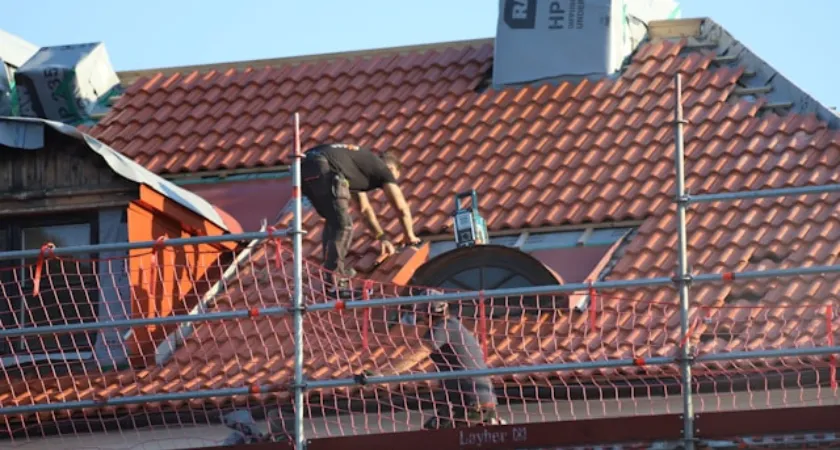
Seasonal roof maintenance remains a key factor in protecting buildings from long-term damage and avoiding unexpected repair costs, according to a newly released checklist from Jaymar Construction LLC. The guidance is designed to help homeowners and property managers assess roof conditions as weather patterns change throughout the year.
Roofs are continuously exposed to environmental stressors, including sun, wind, rain, debris, and temperature fluctuations. Over time, this exposure can lead to gradual deterioration that is not always visible from ground level. Seasonal maintenance creates an opportunity to identify early warning signs and address minor concerns before they develop into more serious structural problems.

The checklist emphasizes the importance of visual inspections of roofing surfaces. Property owners are encouraged to examine shingles and roofing materials for cracking, curling, lifting, or displacement. Even small irregularities can allow moisture intrusion, potentially affecting underlying layers if not corrected in a timely manner.
Proper drainage is another central focus of the maintenance guidance. Gutters and downspouts can quickly become clogged with leaves, branches, and debris, restricting water flow. When drainage systems are obstructed, water may back up beneath roofing materials or overflow near foundations, increasing the risk of leaks and water damage. Clearing these systems supports effective water movement away from the structure.
Flashing and sealants around chimneys, vents, skylights, and roof transitions are also highlighted as critical inspection points. These components protect vulnerable areas where water intrusion is most likely to occur. Seasonal temperature changes can cause sealants to dry out or separate, making early detection essential to preventing leaks during heavy rainfall.
Roof penetrations, including plumbing vents and exhaust outlets, should be closely reviewed to ensure seals remain intact and components are properly aligned. Shifting or cracked materials in these areas may indicate movement or deterioration that requires attention.
Attic inspections are included as part of a comprehensive maintenance approach. Moisture staining, mold growth, or condensation within attic spaces may signal roofing or ventilation issues not visible from the exterior. Adequate ventilation helps regulate temperature and moisture levels, supporting roof durability and interior comfort.
The checklist also addresses exterior factors such as tree management. Overhanging branches can scrape roofing materials during high winds and contribute to debris buildup that traps moisture. Trimming branches back from the roof reduces physical damage and limits organic accumulation.
Animal activity is another concern noted in the guidance. Small openings created by wear or damage can allow birds, rodents, or insects to access attic spaces, potentially leading to insulation damage and structural issues. Seasonal inspections help identify these vulnerabilities early.
According to Jules Albert III, owner of Jaymar Roofing, routine maintenance plays a significant role in long-term roof performance.
“Roofs tend to show warning signs long before serious issues develop,” said Albert. “Seasonal maintenance helps identify those signs early, which supports better planning and fewer surprises.”
Timing is also emphasized as an important element of effective maintenance. Pre-season inspections help prepare roofs for periods of heavy rain or temperature extremes, while post-season reviews allow property owners to assess damage after high-stress conditions. This cyclical approach supports proactive upkeep rather than reactive repairs.
Documentation is another recommended practice. Keeping records of inspections, findings, and corrective actions provides a valuable reference for future evaluations and supports communication with contractors and insurance providers when assessments are needed.
The seasonal roof maintenance checklist is applicable across a range of property types, including single-family homes, multi-family housing, and light commercial buildings. While roofing materials and designs vary, the principles of inspection, drainage, sealing, ventilation, and surrounding conditions remain consistent.
Although maintenance does not eliminate the eventual need for roof replacement, it can extend service life and reduce the likelihood of unexpected failures. By addressing minor issues early, property owners can better preserve roofing systems and underlying structural components.
As weather patterns continue to influence building performance, proactive roof maintenance remains a critical part of responsible property care. The release of Jaymar Construction’s seasonal checklist underscores the value of preparedness, consistency, and early intervention in managing roof performance throughout the year.
Originally reported by EIN Newswire in The Enterprise News.