The rapid expansion of artificial intelligence infrastructure is fueling a surge in demand for skilled trade workers, reshaping workforce dynamics across construction and related industries, according to a new report from Randstad.
Since generative AI entered the mainstream in late 2022, hiring demand has climbed sharply across key roles. Demand for robotics technicians has jumped 107%, HVAC engineers are up 67%, and construction-related roles have increased by 30%, reflecting the physical infrastructure needed to support digital growth.
“The debate around AI’s impact on jobs often speculates on job displacement, but a critical reality is being overlooked,” Randstad researchers said. AI is “spurring soaring demand” for skilled trade talent, who are needed to implement AI at work and sustain it.
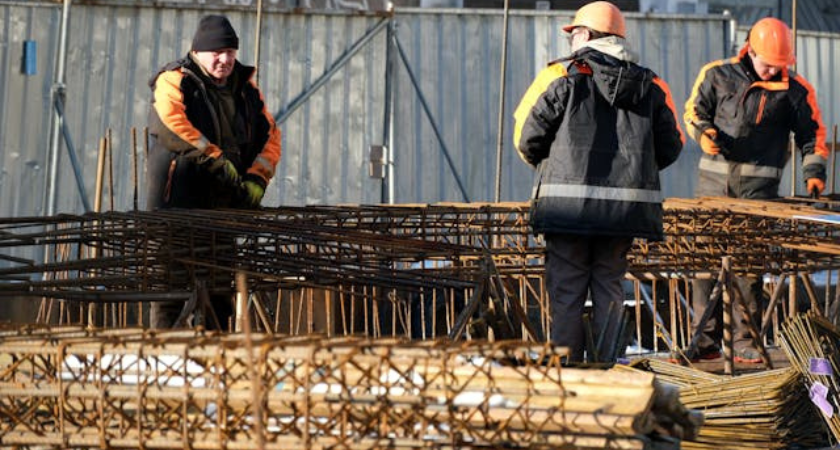
Rather than replacing workers, AI is creating new pressures on the labor market—particularly in trades tied to data centers, automation systems and energy infrastructure.
Randstad’s findings point to a growing “labor flip,” where hiring skilled trade workers now takes longer than hiring knowledge workers. The average time-to-hire has reached 56 days for trades compared to 54 days for white-collar roles, underscoring a tightening labor pool.
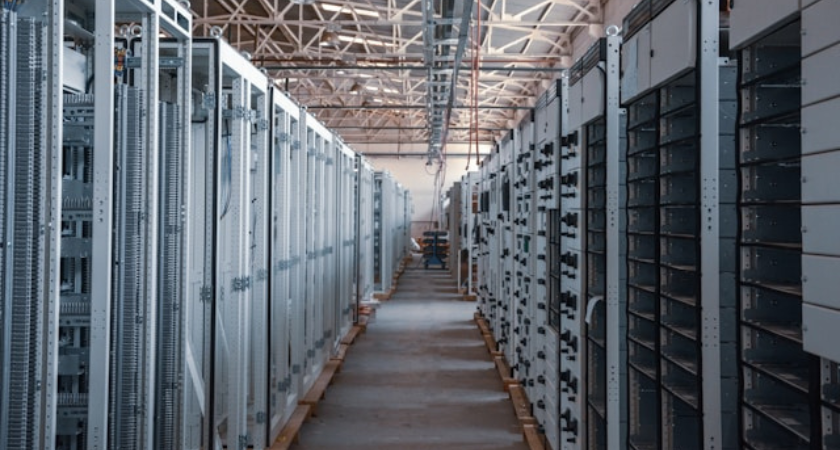
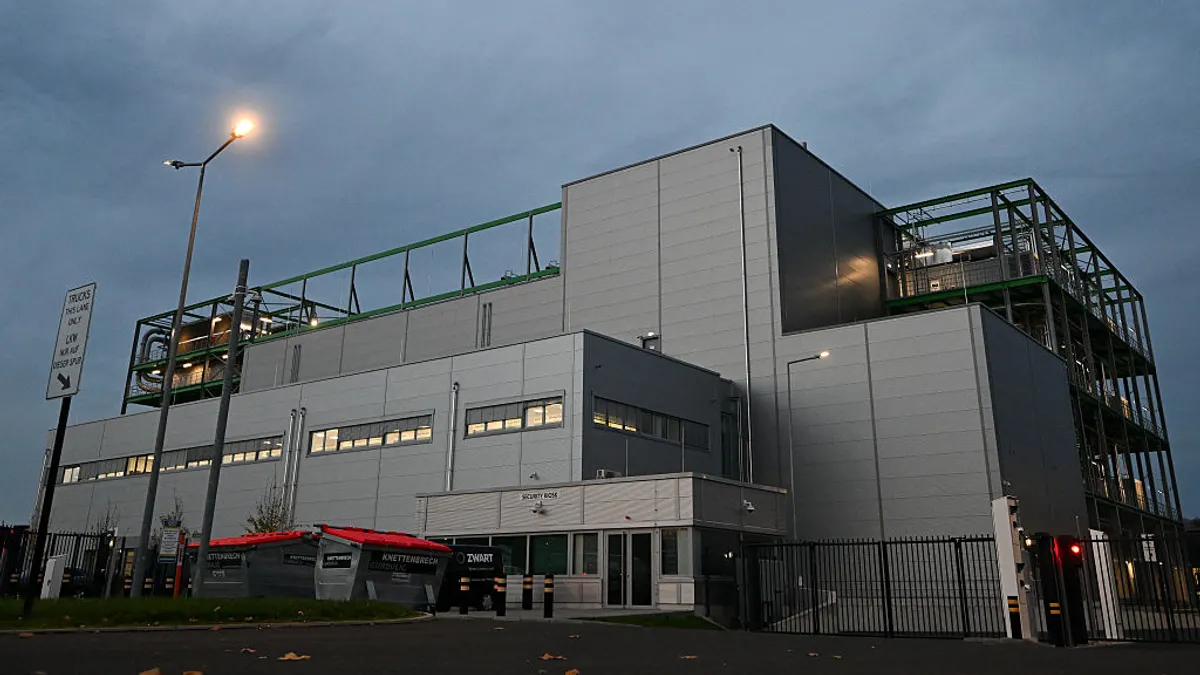
This shift is largely driven by the rapid buildout of data centers and digital infrastructure, which require specialized expertise in electrical systems, cooling technologies and industrial automation.
“The digital revolution underway has a physical foundation,” said Sander van ’t Noordende. “While headlines focus on AI and the future of white-collar work, the real constraint on global growth is the scarcity of specialized talent in the skilled trades. This means the people who build the data centres, upgrade the power grids and maintain the infrastructure that makes AI possible.”
As a result, roles such as industrial automation technicians and HVAC specialists—critical for maintaining data center cooling systems—are becoming increasingly difficult to fill.
Despite the rising demand for trades, concerns about AI-driven job displacement continue to shape policy discussions. Lawmakers in states such as New York and Minnesota are exploring legislation aimed at protecting workers from AI-related layoffs, including proposals requiring advance notice before automation is deployed.
At the federal level, policymakers have also weighed in, reflecting broader concerns about workforce disruption and economic stability.
However, some research suggests companies may be moving too quickly toward automation. A 2025 report from Orgvue found that some employers who replaced workers with AI later regretted the decision, while the British Standards Institution noted that many firms prioritize automation over workforce upskilling.
Randstad’s report highlights a key evolution in the nature of skilled trades themselves. These roles are becoming increasingly technical and digitally integrated.
“These roles are increasingly highly specialized, digital-first positions. From electricians to robot technicians, digital fluency is now a prerequisite,” the report found. “The skilled trades are moving closer to traditional knowledge work, requiring a global re-rating of these career tracks and a shift toward continuous education and training opportunities.”
The growing reliance on skilled labor is also creating bottlenecks that could slow AI expansion if workforce shortages persist. As companies race to build the infrastructure behind AI, the availability of trained tradespeople may ultimately determine how fast that growth can continue.
Originally reported by Caroline Colvin, Reporter in Construction Dive.